

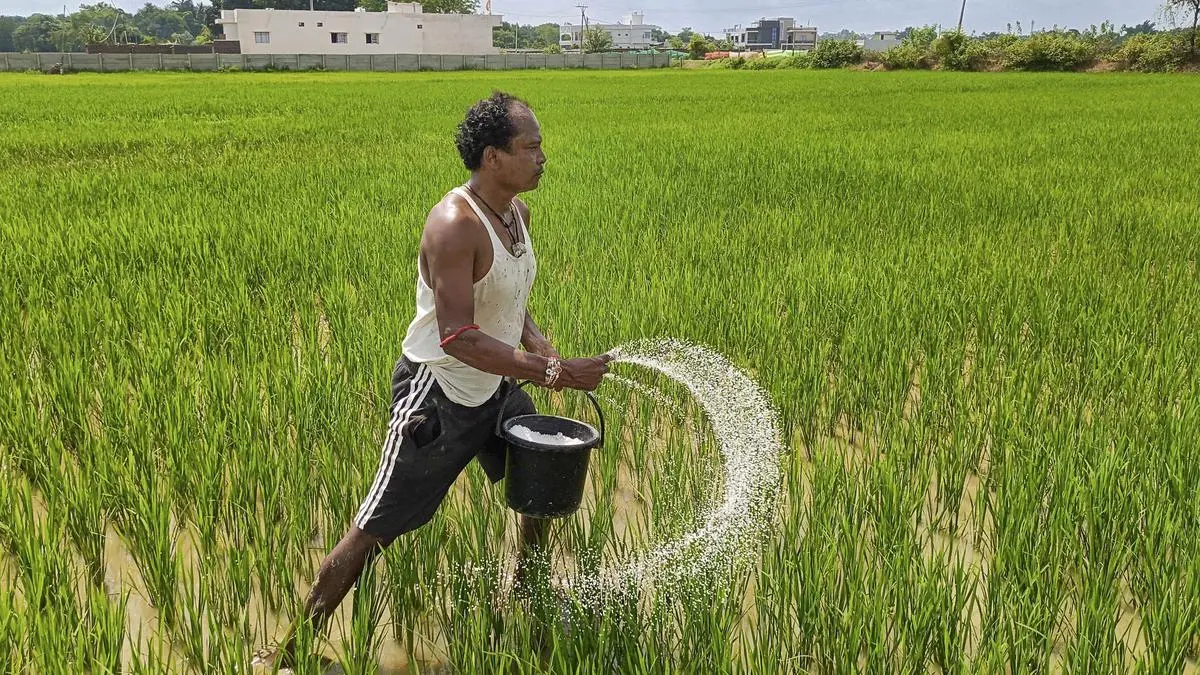
In recent times, there has been a lot of discussion around the increase in prices of fertilisers, specifically P & K fertilisers. This has caused concern among farmers and policymakers alike, as fertilisers play a crucial role in enhancing crop productivity and ensuring food security. However, amidst all the chaos and commotion, there lies an opportunity that should not be overlooked – the chance to reallocate the savings from the price hike towards providing higher subsidy on P & K fertilisers.
Firstly, it is important to understand the rationale behind the increase in fertilizer prices. The rise in costs can be attributed to the increasing prices of raw materials, higher transportation costs, and the impact of the pandemic on supply chains. While this may seem like a setback, it also presents an opportunity to utilize the savings from this price hike for the greater good.
One of the major challenges that Indian agriculture faces today is the nutrient imbalance in soil. The excessive usage of nitrogen-based fertilisers in comparison to phosphorus and potassium-based ones has resulted in depletion of essential nutrients in the soil. This has direct implications on crop productivity and can lead to lower yields and poor quality produce. By providing higher subsidies on P & K fertilisers, we can address this issue of nutrient imbalance and ensure a more balanced use of fertilisers.
Moreover, higher subsidies on P & K fertilisers will also make them more affordable for small and marginal farmers. In India, small farmers constitute a significant portion of the agricultural community and they often struggle to afford expensive fertilisers. By providing higher subsidies, the government can not only support these farmers but also encourage them to utilize P & K fertilisers, thereby improving soil health and crop productivity.
Another important aspect to consider is the long-term impact of nutrient imbalance on the environment. Excessive use of nitrogen-based fertilisers can lead to the contamination of groundwater and water bodies. This not only affects the health of humans and animals but also has a negative impact on aquatic life. By promoting the usage of P & K fertilisers, we can reduce the reliance on nitrogen-based fertilisers and move towards a more sustainable form of farming.
In addition to these benefits, higher subsidies on P & K fertilisers can also bring about a positive impact on the economy. With improved crop productivity, farmers will be able to produce more and better quality crops, which will lead to higher incomes. This, in turn, will help in boosting rural economy and reducing the income disparities between the rural and urban areas. It will also reduce the burden on the government as increased agricultural income will contribute towards higher tax revenues.
Furthermore, by promoting the use of P & K fertilisers, we can reduce our dependence on imports. India is heavily reliant on imports for phosphorus and potassium fertilisers, which not only affects our economy but also makes us vulnerable to global market fluctuations. By encouraging domestic production and usage of these fertilisers, we can achieve self-sufficiency and save valuable foreign exchange.
Some may argue that providing higher subsidies on P & K fertilisers will put a strain on the government’s budget. However, in the long run, the benefits of a more balanced use of fertilisers and increased crop productivity will far outweigh the initial costs. Moreover, the government can also explore alternative funding options such as public-private partnerships, to alleviate the burden on the exchequer.
In conclusion, the recent increase in prices of fertilisers, especially P & K fertilisers, may have caused some concerns in the agricultural sector. However, it also presents an opportunity to address the long-standing issue of nutrient imbalance in soil. By utilizing the savings from the price hike towards providing higher subsidies on P & K fertilisers, we can ensure a more balanced and sustainable use of fertilisers. This will not only benefit the farmers, but also the environment and the economy. It is time to see this as a chance to make a positive change and pave the way towards a brighter future for Indian agriculture.