

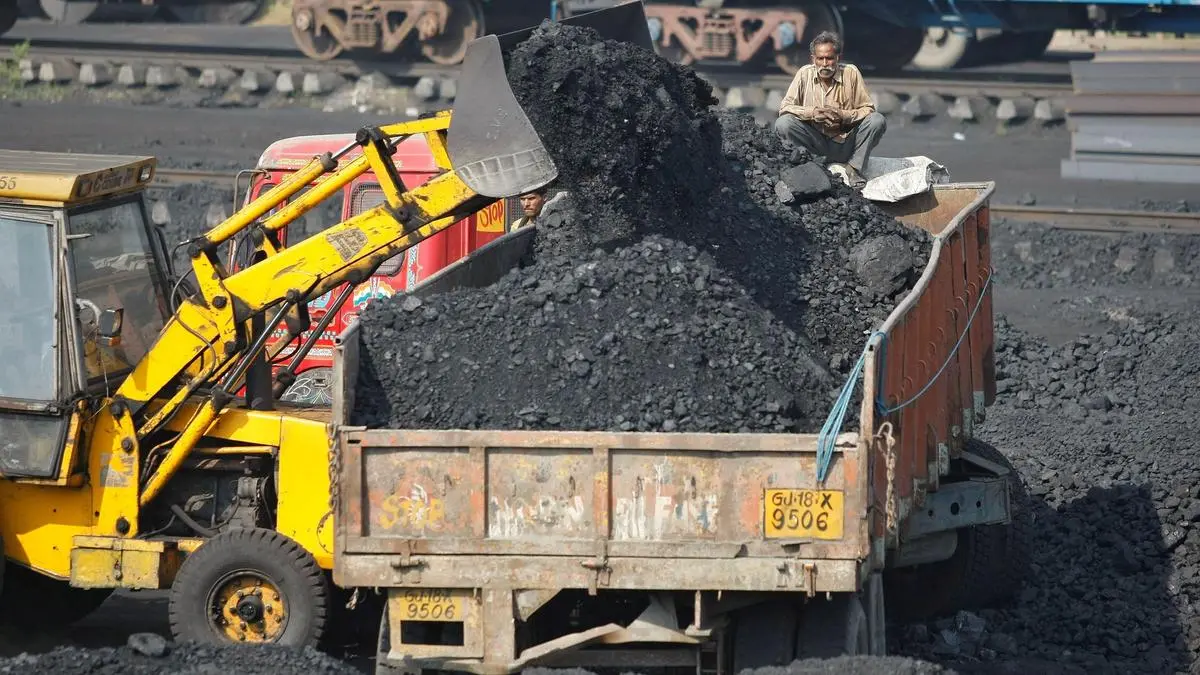
Coal gasification is a process that has been gaining popularity in recent years due to its ability to convert coal into a clean and versatile energy source. This process involves reacting coal with oxygen and steam at high temperatures to produce a synthetic gas known as syngas. This gas is a mixture of carbon monoxide and hydrogen, which can be used for a variety of purposes, from electricity generation to fuel for vehicles.
The traditional method of using coal for energy production involves burning it, which releases harmful pollutants into the atmosphere. However, with the increasing concern for the environment and the need for sustainable energy sources, coal gasification has emerged as a promising solution. It not only reduces the environmental impact of coal but also offers a more efficient and cost-effective way of utilizing this abundant natural resource.
One of the main advantages of coal gasification is its ability to produce a cleaner form of energy. By converting coal into syngas, the process eliminates the release of sulfur and nitrogen oxides, which are major contributors to air pollution. This makes it a more environmentally friendly option compared to traditional coal-fired power plants. In fact, coal gasification is considered a key technology in the fight against climate change, as it significantly reduces carbon emissions.
Moreover, syngas produced through coal gasification can be used in a variety of ways, making it a versatile energy source. It can be burned directly to generate electricity, or it can be converted into liquid fuels such as gasoline, diesel, and methanol. This makes it a valuable resource for industries that heavily rely on fossil fuels, such as transportation and manufacturing. Additionally, syngas can also be used in the production of chemicals and fertilizers, further expanding its potential applications.
Another significant advantage of coal gasification is its efficiency. Unlike traditional coal-fired power plants, which have an efficiency rate of around 33%, coal gasification plants can achieve efficiency rates of up to 50%. This means that more energy can be produced from the same amount of coal, making it a more cost-effective option. Additionally, the by-products of coal gasification, such as sulfur and ash, can also be used in various industries, reducing waste and increasing the overall efficiency of the process.
The process of coal gasification has been around for over a century, but recent advancements in technology have made it even more efficient and economical. One such advancement is the use of integrated gasification combined cycle (IGCC) technology, which combines coal gasification with a gas turbine to produce electricity. This technology has a higher efficiency rate and lower emissions compared to traditional coal-fired power plants, making it a more attractive option for energy production.
Furthermore, coal gasification also offers a solution to the problem of coal waste. Traditional coal-fired power plants produce a significant amount of coal ash, which is a by-product of burning coal. This ash contains toxic chemicals and heavy metals, posing a threat to the environment and human health. However, with coal gasification, the coal ash is converted into a glass-like substance, which can be safely stored or used in construction materials. This eliminates the need for landfills and reduces the environmental impact of coal waste.
In addition to its environmental and economic benefits, coal gasification also has the potential to create new job opportunities. The development and operation of coal gasification plants require a skilled workforce, providing employment opportunities in areas where coal is abundant. Moreover, the use of syngas as a fuel for vehicles can also create a new market for the automotive industry, leading to further job creation.
In conclusion, coal gasification is a promising technology that offers a cleaner, more efficient, and versatile way of utilizing coal for energy production. It not only reduces the environmental impact of coal but also offers a solution to the problem of coal waste. With advancements in technology, coal gasification has become a viable option for meeting the world’s energy needs while reducing carbon emissions. It is a step towards a more sustainable future, and its potential for economic growth and job creation makes it a win-win solution for all.