

Hotspots of Water Scarcity Could Emerge by the 2020s and 2030s: New Study
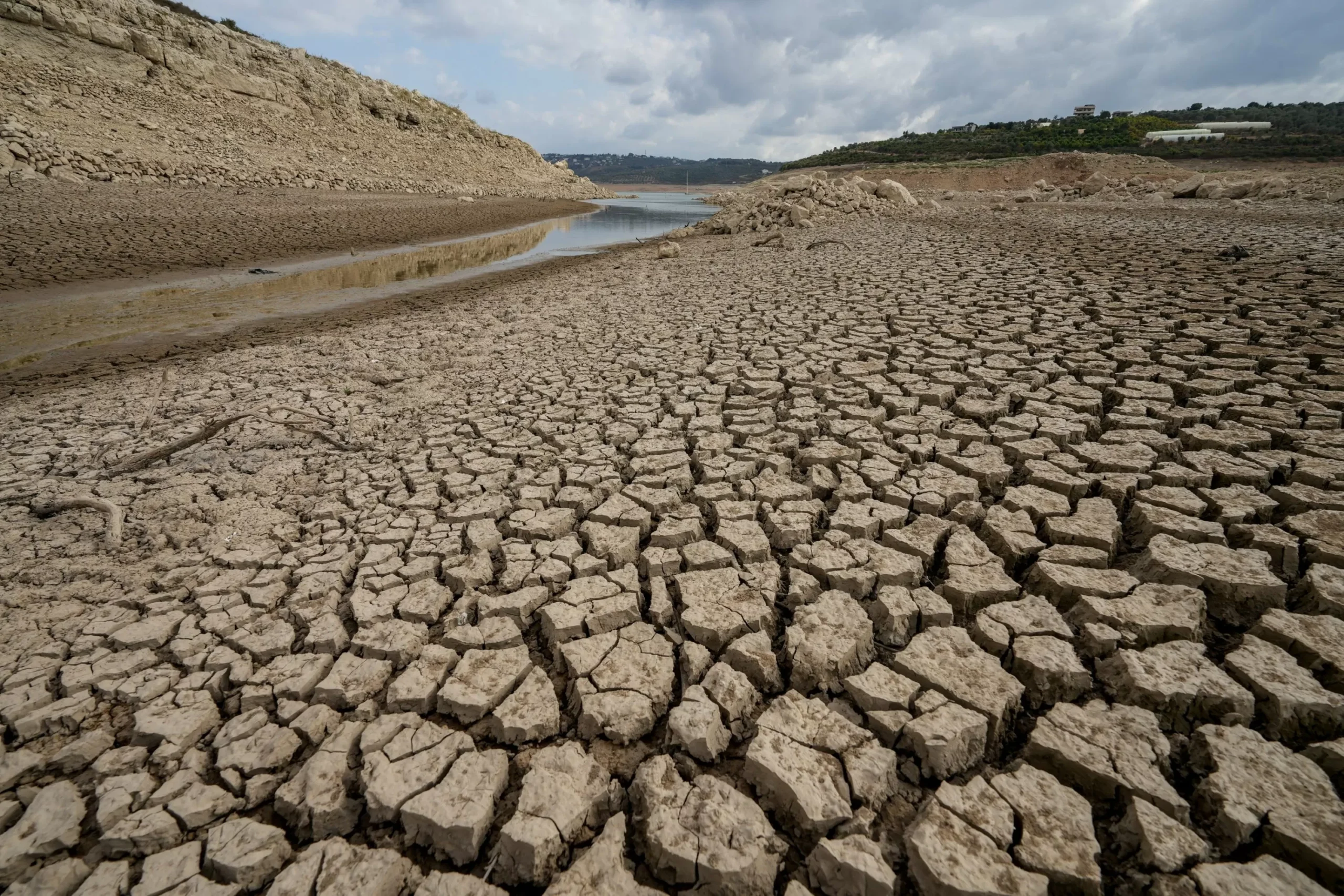
Water is the source of life, and yet it is a resource that is rapidly depleting in various parts of the world. As climate change continues to intensify, droughts are becoming more frequent and severe, leading to water scarcity in many regions. A recent study has highlighted that hotspots of water scarcity could emerge by the 2020s and 2030s across the Mediterranean, southern Africa, and North America.
The study, conducted by the World Resources Institute (WRI), analyzed data from 167 countries and found that many regions will face growing water stress due to a combination of climate change, population growth, and increased water demand. These hotspots, also known as ‘water-stressed’ areas, are at risk of reaching their maximum water withdrawal limit, putting pressure on communities and ecosystems.
One of the major findings of the study is that regions where water is already scarce, like the Mediterranean, will experience the most severe impact of climate change on their water resources. The study predicts that water scarcity in southern Europe and the Middle East could worsen in the next two decades, affecting millions of people who rely on this vital resource for their livelihoods.
But it’s not just the Mediterranean that will be hit hard. Southern Africa, which is already facing water scarcity issues, is also at risk of becoming a hotspot. The study predicts that by the 2030s, countries in this region, such as South Africa, Botswana, and Namibia, could suffer from water scarcity, with severe consequences for agriculture, energy production, and human health.
In North America, the western and southwestern regions are expected to experience increased water stress due to climate change. States like California, Arizona, and Texas, which are already facing water challenges, could see even more pronounced water scarcity in the coming years.
The study also highlights the urgent need for action to address this looming crisis. It suggests that efficient water management, including better infrastructure, conservation measures, and sustainable agriculture practices, can help minimize the impact of water scarcity.
But, we cannot solely rely on the government and policymakers to take action. As individuals, we all have a role to play in preserving this precious resource. Simple measures like fixing leaks, using water-efficient appliances, and reducing water usage can make a significant difference. It’s time to rethink our relationship with water and use it wisely.
Moreover, this study serves as a wake-up call for global leaders to prioritize climate action. The increasing water stress in these hotspots is not just a local problem but a global one. It is a reminder that the impacts of climate change know no boundaries and that urgent action is needed to mitigate its effects.
The good news is that some countries are already taking steps to address water scarcity. For instance, Morocco has implemented a national water strategy to improve water management, and South Africa has invested in desalination plants to alleviate water stress.
The WRI study also identifies areas that are projected to have stable or improving water conditions, such as the eastern United States and parts of Asia and Central and South America. This is a positive sign that with proper planning and adaptation measures, we can mitigate the impacts of climate change.
In conclusion, the findings of this study are concerning but not hopeless. The emergence of hotspots of water scarcity can be prevented if we act now. As individuals, let’s do our part in conserving water, and as a society, let’s urge our leaders to take bold and immediate action to combat climate change. Let’s remember that water is a finite resource, and it’s in our hands to protect it for future generations.