
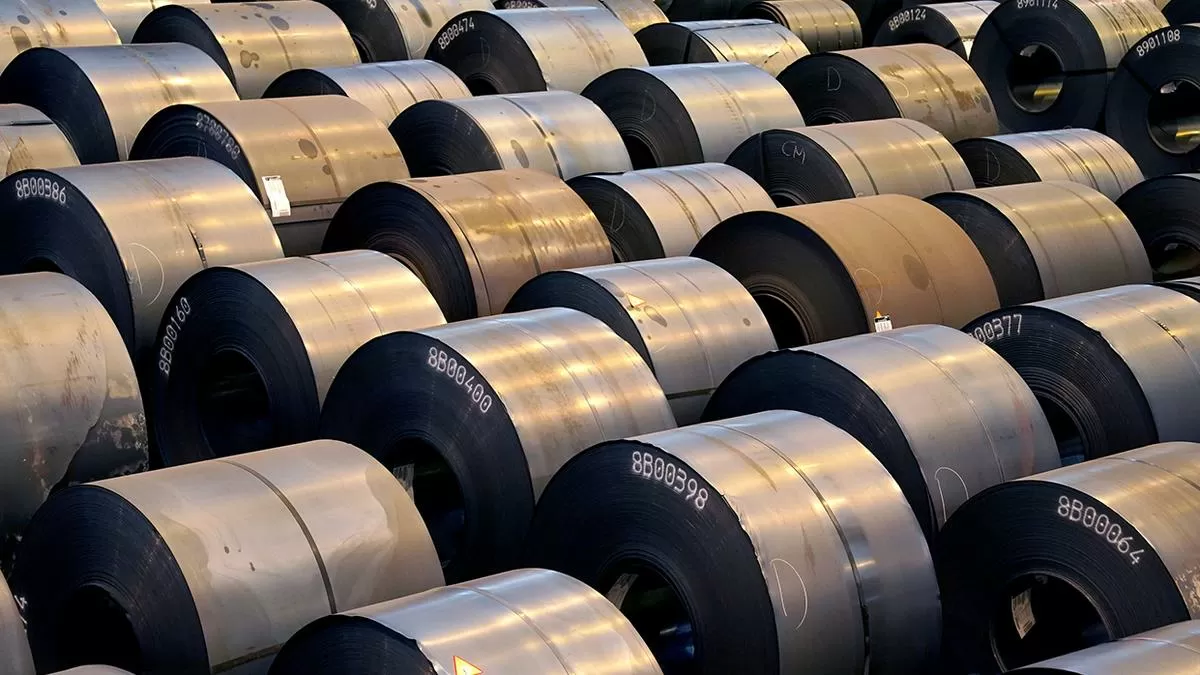
India has achieved a significant milestone in the steel industry, as it has become a net exporter of steel. This achievement is a result of the government’s effective implementation of safeguard duty and quality control measures. The country has been able to increase its steel production and improve its quality, making it a preferred choice in the global market.
The steel industry is a crucial sector for any country’s economic growth. It is the backbone of infrastructure development and plays a vital role in the manufacturing sector. India has always been a major producer of steel, but it was primarily for domestic consumption. However, with the government’s proactive measures, the country has now emerged as a net exporter of steel, which is a significant boost to the economy.
One of the key factors that have contributed to this success is the imposition of safeguard duty on steel imports. In 2018, the government imposed a 25% safeguard duty on steel imports to protect the domestic industry from cheap imports. This move has not only helped in curbing the influx of low-quality steel but has also encouraged domestic producers to increase their production to meet the growing demand.
Moreover, the government has also taken strict measures to ensure the quality of steel produced in the country. The Bureau of Indian Standards (BIS) has implemented stringent quality control measures for both domestic and imported steel. This has not only improved the quality of steel but has also boosted the confidence of international buyers in Indian steel.
The increase in steel production and improvement in quality have made Indian steel more competitive in the global market. As a result, the country has witnessed a significant rise in steel exports. In the financial year 2020-21, India’s steel exports reached a record high of 10.79 million tonnes, registering a growth of 29% compared to the previous year.
This achievement has not only brought in foreign exchange but has also helped in reducing the trade deficit. India’s steel exports have contributed to around 2% of the country’s total exports, making it one of the top export items. This has also helped in creating employment opportunities and boosting the overall economy.
The government’s focus on the steel industry has not only resulted in increased exports but has also led to the development of the sector. The National Steel Policy 2017 aims to increase India’s steel production capacity to 300 million tonnes by 2030. This will not only make the country self-sufficient in steel production but will also make it a major player in the global steel market.
The growth of the steel industry has also had a positive impact on related industries. The demand for raw materials like iron ore and coal has increased, leading to the growth of the mining sector. The transportation and logistics industry has also witnessed a surge in demand due to the increase in steel exports.
The success of the steel industry has also been acknowledged by international organizations. The World Steel Association has forecasted that India’s steel demand will grow by 7.7% in 2021, which is higher than the global average of 5.8%. This is a testament to the country’s potential to become a major player in the global steel market.
The government’s efforts to promote the steel industry have also been recognized by the industry itself. The Indian Steel Association has lauded the government’s initiatives and has stated that India’s steel industry is now globally competitive. The industry has also expressed its commitment to maintaining the quality standards set by the government and contributing to the country’s growth.
In conclusion, India’s achievement of becoming a net exporter of steel is a significant milestone and a testament to the country’s growth and development. The government’s proactive measures, including safeguard duty and quality control measures, have played a crucial role in this success. The steel industry’s growth has not only brought in foreign exchange but has also created employment opportunities and boosted the economy. With the government’s continued support and the industry’s commitment, India is poised to become a major player in the global steel market.