

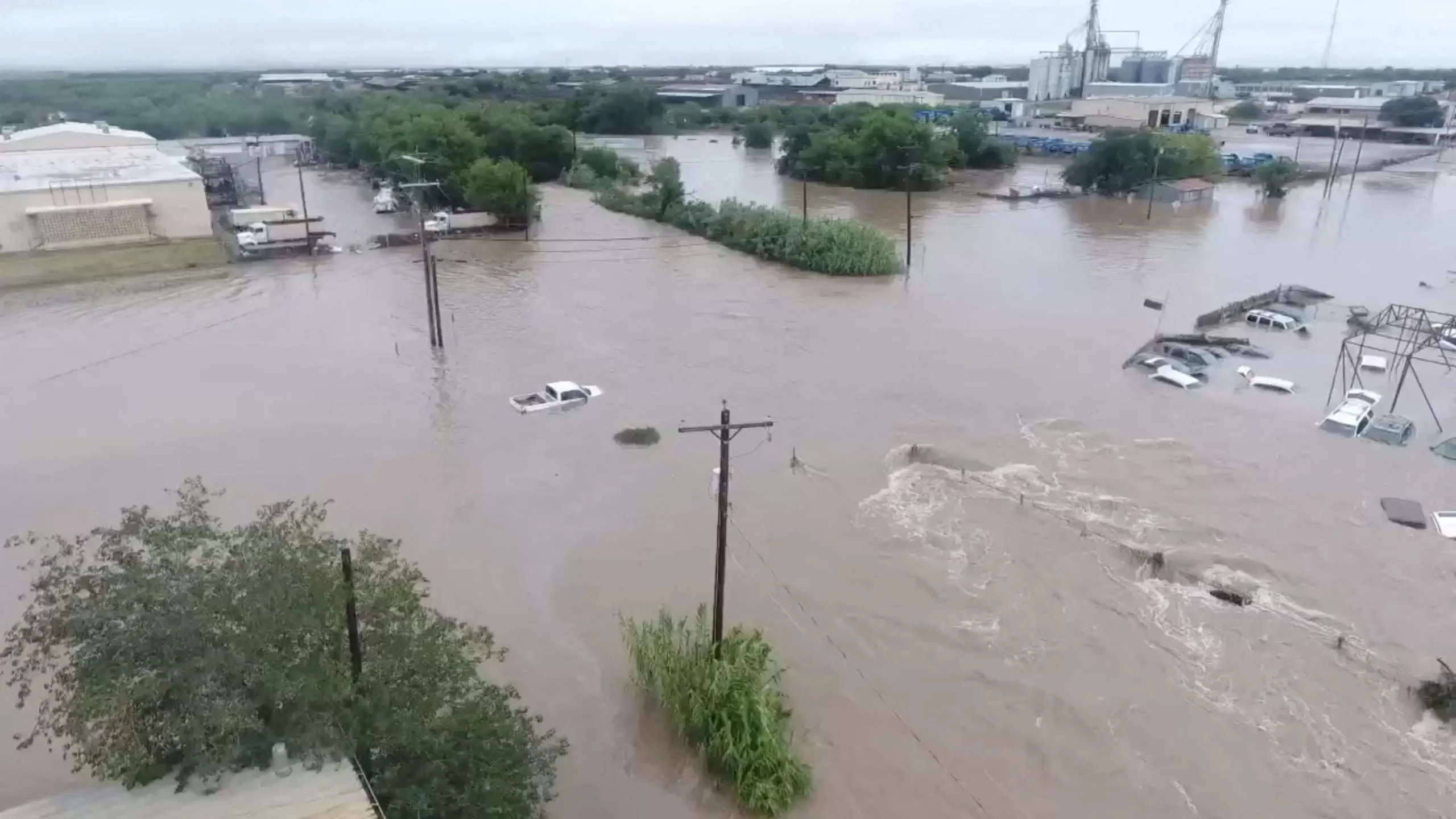
Catastrophic floods can be devastating and unpredictable. They can strike without warning, leaving communities and individuals in a state of chaos and despair. In such situations, it is crucial to have a plan in place to ensure the safety and well-being of ourselves and our loved ones. However, preparing for a catastrophic flood can be a daunting task, and sometimes even the best preparations may not be enough. In such cases, the best course of action is to evacuate to higher ground nearby.
Floods are one of the most common natural disasters, and they can occur in any part of the world. They are caused by heavy rainfall, overflowing rivers, or storm surges, and can cause extensive damage to property and infrastructure. In addition, they can also result in loss of life and displacement of communities. Therefore, it is essential to be aware of the potential risks and have a plan in place to deal with them.
The first step in preparing for a catastrophic flood is to understand the risks in your area. This can be done by researching the history of floods in your region and consulting with local authorities. They can provide valuable information on flood-prone areas and evacuation routes. It is also important to have an emergency kit ready, which should include essential items such as food, water, first aid supplies, and important documents.
In the event of a flood warning, it is crucial to act quickly and follow the instructions of local authorities. If evacuation is advised, it is important to leave the area immediately and head to higher ground. This could be a nearby hill, a multi-story building, or even the roof of your own house. It is important to remember that even a few inches of water can be dangerous, and it is always better to err on the side of caution.
However, there may be situations where evacuation is not possible, or it may be too late to do so. In such cases, finding higher ground nearby is the best option. This could be a tall building, a tree, or even a sturdy vehicle. It is important to stay away from floodwaters and avoid driving through them, as they can be deeper than they appear and can sweep away even large vehicles.
The stakes can be high during a catastrophic flood, and it is important to remain calm and think clearly. Panic can lead to poor decision-making, which can put your life and the lives of others at risk. It is important to stay informed and follow the instructions of authorities. In addition, it is also important to check on your neighbors and offer assistance if needed. Together, we can overcome the challenges posed by a catastrophic flood.
In the aftermath of a catastrophic flood, it is important to stay safe and avoid returning to the affected area until authorities have declared it safe to do so. Floodwaters can be contaminated with sewage and other hazardous materials, and it is important to take precautions to avoid any health risks. It is also important to document any damage to your property and contact your insurance company for assistance.
In conclusion, catastrophic floods can be difficult to prepare for, but it is not impossible. By understanding the risks, having a plan in place, and following the instructions of authorities, we can minimize the impact of a flood on our lives. However, in situations where evacuation is not possible, finding higher ground nearby is the best option. Let us all work together to stay safe and overcome the challenges posed by a catastrophic flood. Remember, safety should always be our top priority.