

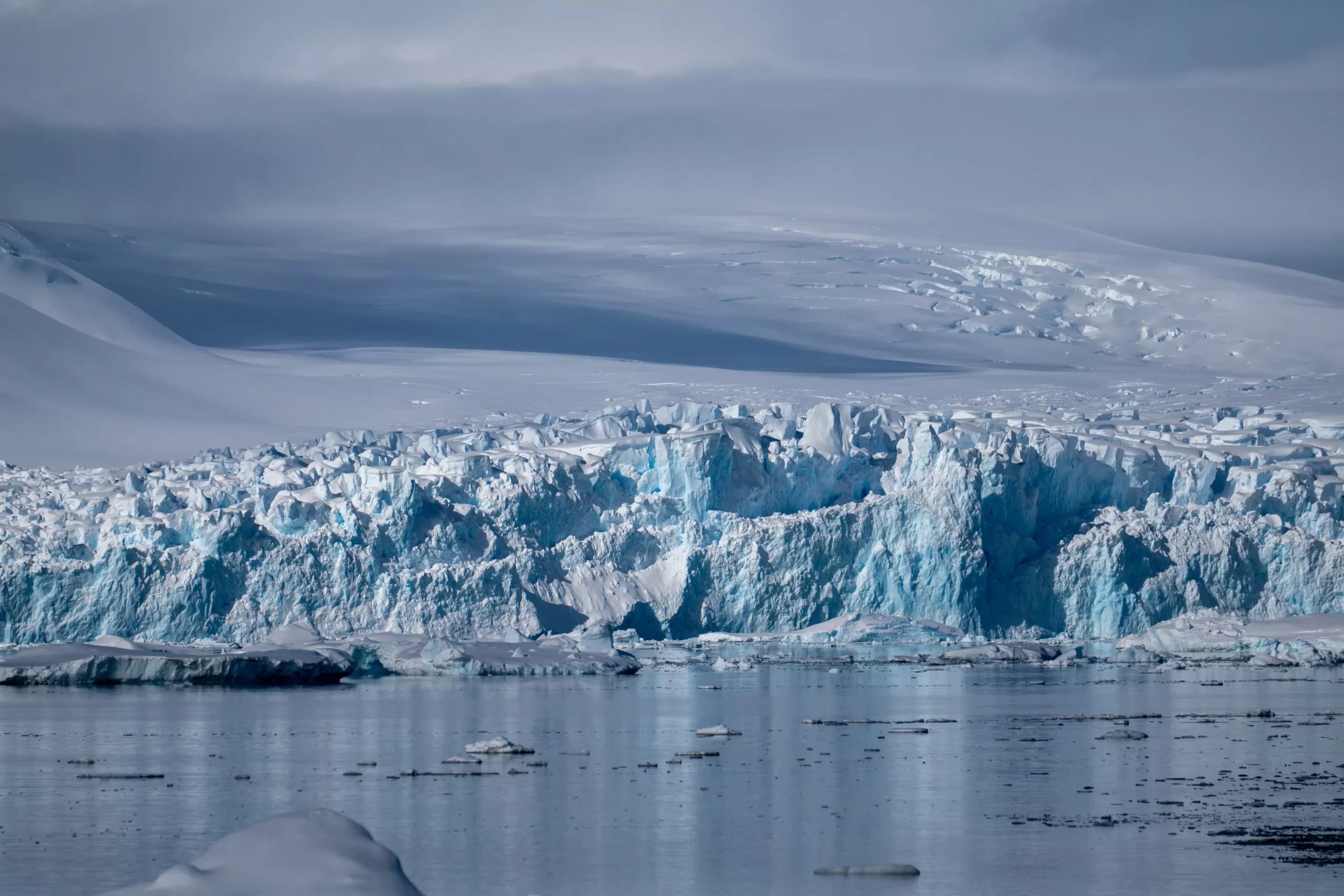
Since 2015, Antarctica has been experiencing a significant loss of sea ice, equivalent in area to the entire island of Greenland. This startling revelation has been confirmed by new satellite data, making it one of the most significant events in recent years. The implications of this loss are far-reaching and have sparked concern among scientists and environmentalists worldwide.
The Antarctic sea ice is a crucial part of the Earth’s climate system, playing a vital role in regulating global temperatures and ocean currents. It acts as a reflective shield, bouncing back the sun’s rays and preventing them from being absorbed into the ocean. This process helps to keep the Earth’s temperature in balance, making it habitable for all living beings. However, with the loss of sea ice, this delicate balance is being disrupted, and the consequences could be catastrophic.
The new satellite data, collected by the European Space Agency’s CryoSat-2 satellite, shows that the Antarctic sea ice has been steadily decreasing since 2015. This loss is equivalent to an area of approximately 1.2 million square kilometers, which is roughly the size of Greenland. This is a significant amount of ice, and it is not showing any signs of returning.
The loss of sea ice in Antarctica is a clear indication of the impact of climate change on our planet. The Earth’s average temperature has been steadily rising, and this has led to the melting of polar ice caps. The Arctic has been experiencing a similar trend, with a significant loss of sea ice in recent years. However, the loss of sea ice in Antarctica is even more concerning as it is happening at a much faster rate.
The consequences of this loss are far-reaching and could have a severe impact on the planet. The most immediate effect is the rise in sea levels. As the sea ice melts, it adds to the volume of water in the ocean, causing sea levels to rise. This could lead to coastal flooding and the displacement of millions of people living in low-lying areas. It could also have a devastating impact on marine life, disrupting their habitats and food sources.
The loss of sea ice in Antarctica could also have a significant impact on global weather patterns. The Antarctic sea ice acts as a barrier, preventing warm ocean currents from reaching the coastlines of continents. With its loss, these warm currents could reach further inland, causing extreme weather events such as heatwaves, droughts, and hurricanes. This could have a devastating effect on agriculture, leading to food shortages and economic instability.
The loss of sea ice in Antarctica is also a wake-up call for the world to take immediate action against climate change. It is a clear indication that our planet is in danger, and we need to act now to save it. Governments, organizations, and individuals must come together to reduce carbon emissions and adopt sustainable practices. We need to invest in renewable energy sources and reduce our dependence on fossil fuels. We also need to protect our oceans and marine life by reducing plastic pollution and overfishing.
Fortunately, there is still hope for Antarctica. The new satellite data has also shown that the loss of sea ice has slowed down in recent years. This could be due to the efforts made by countries to reduce their carbon emissions and adopt more sustainable practices. It is a small but significant step in the right direction, and we must continue to take action to protect our planet.
In conclusion, the loss of sea ice in Antarctica is a significant event that should not be taken lightly. It is a clear indication of the impact of climate change on our planet and the urgent need for action. We must all come together to protect our planet and ensure a sustainable future for generations to come. Let us use this event as a motivation to make positive changes and save our planet from the devastating effects of climate change.