

Health and vector control officials are gearing up for what could be another challenging year in the fight against dengue. With the number of cases on the rise, experts are bracing for historic rates of the mosquito-borne disease.
Dengue is a viral infection transmitted by the Aedes mosquito. It is a major public health concern, with an estimated 390 million infections occurring annually worldwide. The disease is prevalent in tropical and subtropical regions, and with climate change and urbanization, its reach is expanding.
Last year, the world saw a significant increase in dengue cases, with a 30% rise compared to the previous year. In some countries, the number of cases reached an all-time high. This trend is expected to continue in 2020, with health and vector control officials working tirelessly to prevent and control the spread of the disease.
One of the main challenges in the fight against dengue is the lack of a specific treatment or vaccine. This means that prevention and control measures are crucial in reducing the burden of the disease. Health officials are focusing on a multi-pronged approach, including vector control, community engagement, and surveillance.
Vector control is a key component in preventing the spread of dengue. This involves targeting the Aedes mosquito, which is responsible for transmitting the virus. Measures such as eliminating breeding sites, using insecticides, and introducing biological control methods are being implemented to reduce the mosquito population.
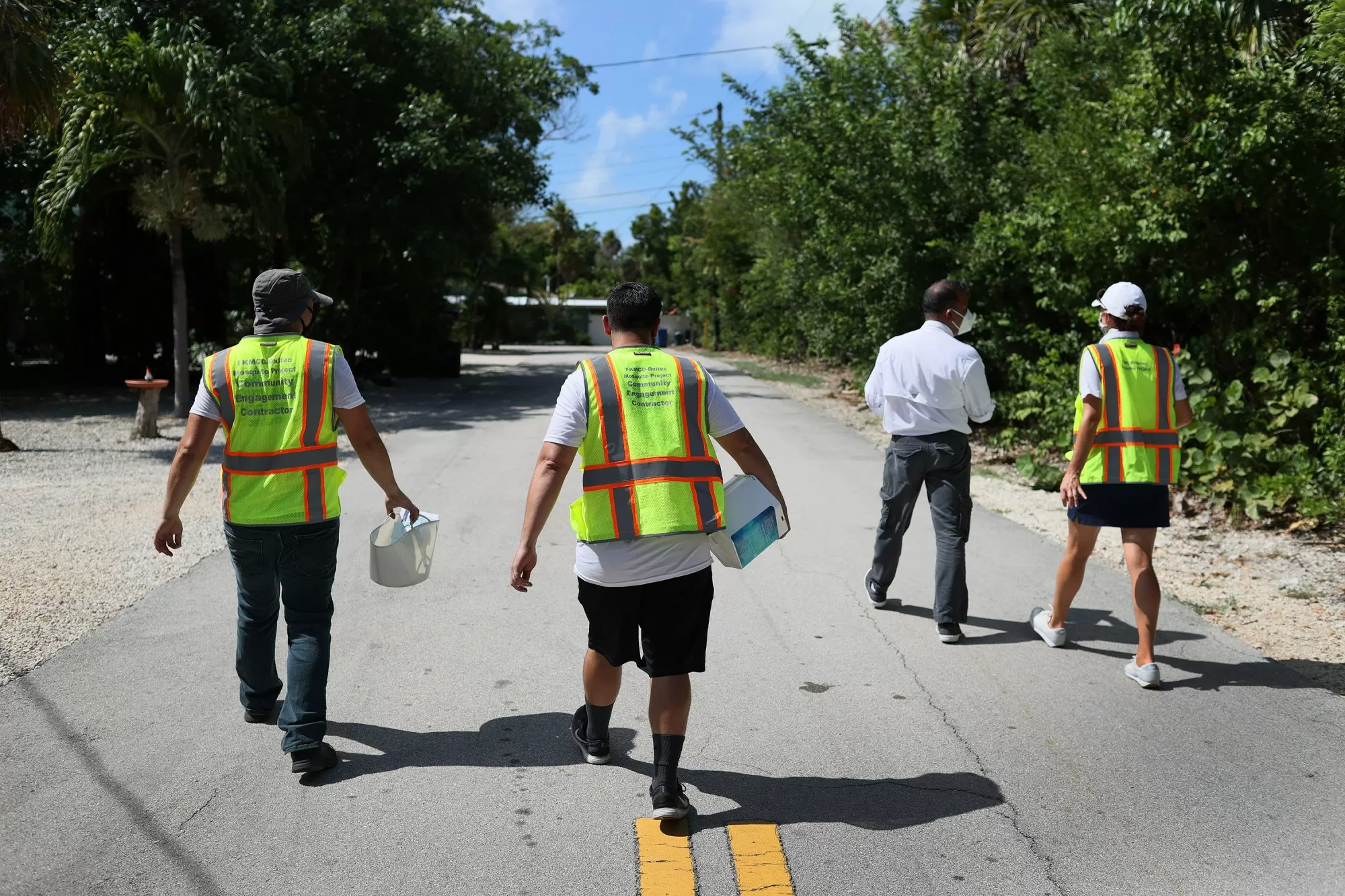
Community engagement is also vital in the fight against dengue. People need to be aware of the disease and how to protect themselves and their families. Health officials are working closely with communities to educate them on the importance of eliminating standing water, using mosquito repellents, and seeking medical attention if they experience symptoms.
Surveillance is another crucial aspect of dengue control. By monitoring the number of cases and identifying hotspots, health officials can target their efforts more effectively. This allows for a timely response to outbreaks and helps prevent the spread of the disease.
Despite the challenges, there is hope in the fight against dengue. In recent years, countries such as Brazil and Sri Lanka have successfully reduced the number of cases through a combination of vector control and community engagement. This shows that with the right strategies and resources, dengue can be controlled.
In addition to these efforts, there is ongoing research and development for a dengue vaccine. While there is currently no licensed vaccine, several candidates are in the final stages of clinical trials. If successful, a vaccine could be a game-changer in the fight against dengue.
As we enter another year of battling dengue, it is essential to remain positive and motivated. Health and vector control officials are working tirelessly to protect our communities from this disease. But we all have a role to play in preventing the spread of dengue. By taking simple measures such as keeping our surroundings clean and using mosquito repellents, we can make a significant impact.
It is also crucial to remember that dengue is a preventable disease. With the right knowledge and actions, we can reduce the number of cases and save lives. Let us all work together to make 2020 the year we turn the tide against dengue.
In conclusion, health and vector control officials are bracing for another year of historic rates of dengue. But with a multi-pronged approach, community engagement, and ongoing research, we can overcome this challenge. Let us all do our part in preventing the spread of dengue and creating a healthier and safer world for everyone.