

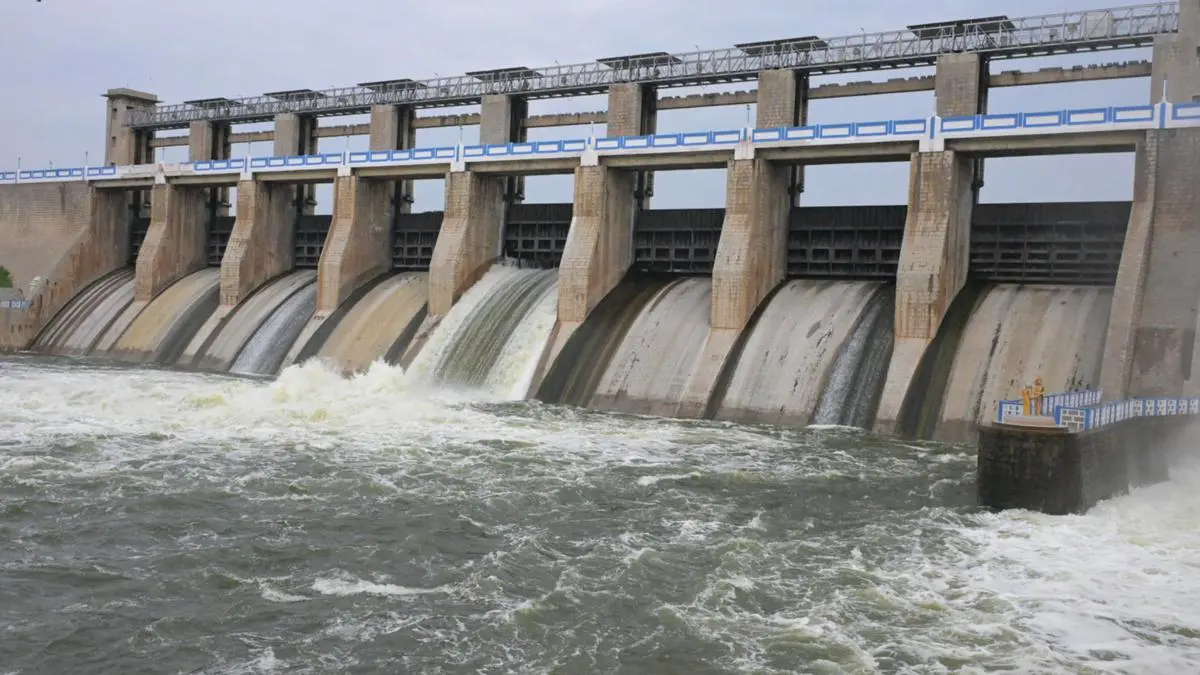
The monsoon season in India has been a blessing this year, with a 12 per cent excess rainfall compared to the previous year. This has brought much-needed relief to the country, especially to the farmers who have been struggling with droughts and water scarcity. The heavy rainfall has also resulted in five major reservoirs being filled to their maximum capacity, which is a great sign for the upcoming months.
The Indian Meteorological Department (IMD) had predicted a normal monsoon this year, but the unexpected surplus has been a pleasant surprise for everyone. The excess rainfall has been recorded in various parts of the country, including the states of Maharashtra, Gujarat, Madhya Pradesh, and Uttar Pradesh. This has not only replenished the water levels in the reservoirs but has also helped in reviving the groundwater levels in these states.
The excess rainfall has been a boon for the agriculture sector, which contributes significantly to the Indian economy. The heavy downpour has resulted in increased soil moisture, making it ideal for sowing crops. This will not only lead to a higher yield but also reduce the dependency on irrigation, which can be costly for farmers. The surplus rainfall has also helped in filling up the lakes and ponds, which are crucial for irrigation purposes.
Apart from the agricultural sector, the excess monsoon has also brought relief to the urban population. The water crisis in major cities like Chennai and Bengaluru has been a major concern in recent years. However, with the heavy rainfall, the water levels in these cities have risen, providing much-needed relief to the residents. The excess rainfall has also helped in reducing the pollution levels in cities, as it washes away the dust and pollutants, making the air cleaner and fresher.
The filling up of five major reservoirs – Nagarjuna Sagar in Telangana, Srisailam in Andhra Pradesh, Sardar Sarovar in Gujarat, Hirakud in Odisha, and Bhakra Nangal in Punjab – to their full capacity is a significant achievement. These reservoirs not only provide water for irrigation but also cater to the drinking water needs of millions of people. With the current water levels, there is a reduced risk of water shortage in the upcoming months, which is a huge relief for the people living in these states.
The excess monsoon has also brought some challenges, such as floods and landslides in certain regions. However, the government has been proactive in taking necessary measures to mitigate these risks. The disaster management teams have been on high alert and have been working tirelessly to ensure the safety of the affected areas. The excess rainfall has also highlighted the need for better infrastructure and planning in flood-prone areas.
In conclusion, the 12 per cent excess monsoon rainfall has been a blessing for India. It has not only helped in filling up the reservoirs but has also brought relief to the agriculture sector, urban population, and the overall economy. The surplus rainfall has also highlighted the importance of water conservation and the need for better disaster management strategies. Let us hope that this positive trend continues in the upcoming months and brings prosperity to the nation.