

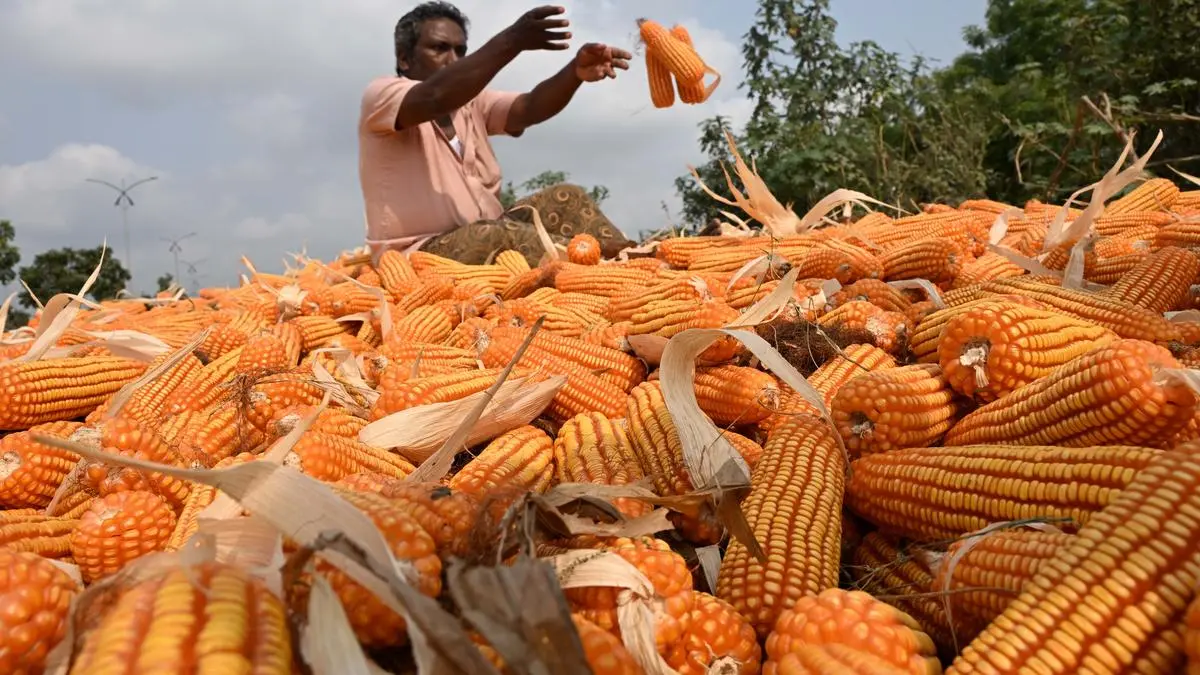
The demand for cereal, which is commonly used as livestock feed and a key ingredient in ethanol production, has been steadily rising in recent years. This has been attributed to the various benefits that cereal provides for both livestock and ethanol production.
Livestock feed producers have been one of the main drivers of this increased demand. Cereal is an essential component in animal feed, providing necessary nutrients for healthy growth and development of livestock. With the increasing demand for meat and dairy products, the demand for cereal has also gone up, as farmers strive to keep up with the growing demand for animal products.
But it’s not just livestock feed producers who have been fueling the demand for cereal. Ethanol makers have also been contributing to this rise. Ethanol, a type of biofuel made from plant-based materials, is commonly blended with gasoline to produce ethanol fuel. And cereal is a key ingredient in the production process. With the increasing need for alternative, eco-friendly fuel sources, the demand for ethanol has been steadily rising, leading to a corresponding increase in the demand for cereal as well.
One of the reasons cereal has become a popular choice for livestock feed producers and ethanol makers is its high nutritional value. Cereal is rich in protein, vitamins, and minerals, making it an ideal ingredient for both animal feed and ethanol production. Livestock that are fed cereal have shown improved growth rates and increased resistance to diseases, while ethanol produced from cereal has been found to have a higher energy content and lower greenhouse gas emissions compared to traditional fossil fuels.
Moreover, cereal is a versatile crop that can be grown in a variety of climates and soils, making it readily available for both large-scale commercial use and small-scale farms. This abundance and accessibility of cereal have also played a significant role in meeting the increasing demand for both livestock feed and ethanol production.
The rise in demand for cereal has also brought economic benefits. With more livestock being fed cereal, there has been an increase in meat and dairy production, creating a positive impact on the agricultural sector. Similarly, the production of ethanol from cereal has opened up new opportunities for farmers, creating a new market for their crops. This, in turn, has led to increased income for farmers and a boost to the overall rural economy.
In addition to its nutritional and economic benefits, cereal also has environmental advantages. As a crop, it requires less water and fertilizers compared to other crops, making it a more sustainable option for both farmers and the environment. With the increasing concerns about climate change and the need for sustainable practices in agriculture, the demand for cereal as a suitable crop choice has only continued to grow.
Looking ahead, the future seems bright for the cereal industry. The rising demand for livestock products and eco-friendly fuel sources shows no signs of slowing down, which means the demand for cereal will continue to increase. This presents a significant opportunity for cereal producers to expand their businesses and for farmers to capitalize on this growing demand.
In conclusion, the demand for cereal has been on the rise, especially from livestock feed producers and ethanol makers. This trend is expected to continue as more people turn to cereal for its many benefits, including its high nutritional value, economic opportunities, and environmental advantages. It is an exciting time for the cereal industry, and the potential for continued growth and success is immense.