

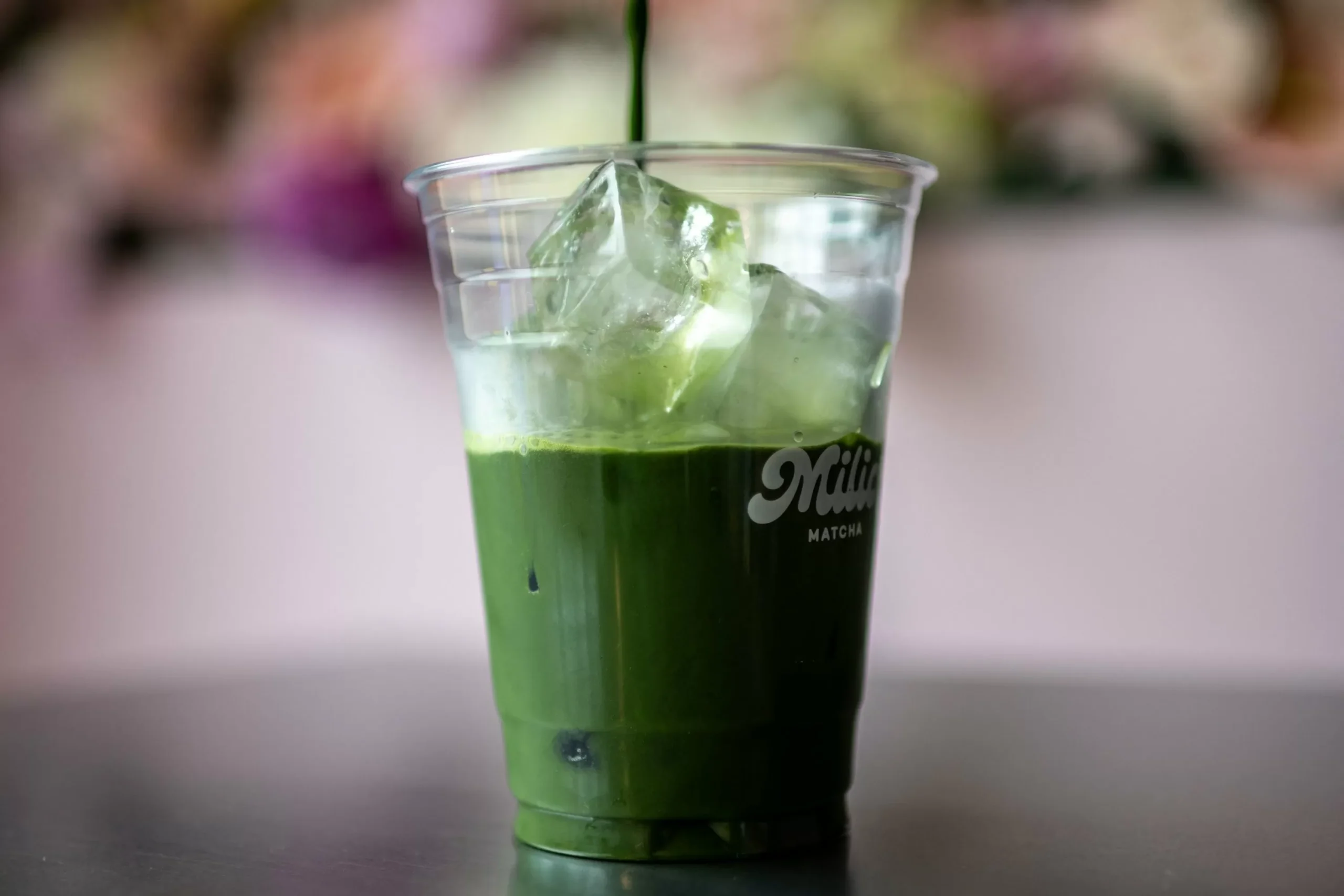
Matcha, the powdered green tea that has been a staple in Japanese tea ceremonies for centuries, has recently taken the world by storm. This vibrant green drink has become the new favorite at hip cafes and health-conscious establishments worldwide, with its unique flavor and numerous health benefits. However, as the demand for matcha continues to rise, Japanese producers are struggling to keep up with the sudden surge in popularity.
Matcha is made from the finely ground leaves of the Camellia sinensis plant, which is also used to make traditional green tea. However, unlike regular green tea, matcha is grown and processed in a specific way to enhance its flavor and nutritional value. The leaves are shaded from sunlight for several weeks before harvesting, which increases their chlorophyll content and gives them a deep green color. After harvesting, the leaves are steamed, dried, and then ground into a fine powder.
The process of growing and producing matcha requires a great deal of time, effort, and precision, making it a labor-intensive and expensive product. This is one of the reasons why matcha has always been considered a luxury item in Japan. However, with the recent global trend of healthy living and clean eating, matcha has become a highly sought-after beverage, and Japanese producers are struggling to keep up with the demand.
One of the main challenges faced by Japanese matcha producers is the limited supply of high-quality matcha. Matcha is traditionally grown in Japan, specifically in the regions of Uji, Nishio, and Shizuoka. These regions have the ideal climate and soil conditions for matcha cultivation, which is why Japanese matcha has always been considered the best in the world. However, with the increasing demand for matcha, many producers have started cutting corners and using lower quality leaves to meet the demand. This has resulted in a decline in the overall quality of matcha, which has been a cause of concern for traditional matcha connoisseurs.
Another challenge faced by Japanese producers is the lack of manpower and resources. As matcha production is a labor-intensive process, it requires a large workforce to harvest, process, and package the leaves. However, with the aging population in Japan and the younger generation opting for different career paths, there is a shortage of workers in the matcha industry. This has led to delays in production and a struggle to keep up with the rising demand.
Despite these challenges, Japanese matcha producers are determined to maintain the high standards of their product and meet the global demand for matcha. Some producers have started to invest in modern technology and machinery to increase their production capacity and improve the quality of their matcha. Others have started to collaborate with local farmers to expand their production and meet the demand without compromising on quality.
Moreover, the Japanese government has also taken notice of the growing demand for matcha and its potential to boost the country’s economy. In recent years, they have been working towards promoting matcha and supporting the local producers. The government has also been encouraging young people to take up careers in the matcha industry, providing training and financial assistance to those interested in becoming matcha producers.
Despite the challenges faced by Japanese matcha producers, the demand for this vibrant green drink shows no signs of slowing down. Matcha has become more than just a drink; it has become a lifestyle choice for many, with its numerous health benefits and unique flavor. It is also a versatile ingredient, used in various recipes ranging from traditional Japanese sweets to modern smoothies and desserts.
In conclusion, matcha has undoubtedly become the new drink of choice at hip cafes worldwide, but its popularity has put a strain on Japanese producers. However, with their determination and the support of the government, they are working towards meeting the demand for matcha without compromising on its quality. So, the next time you enjoy a cup of matcha, remember the hard work and dedication that goes into producing this beloved green drink.