

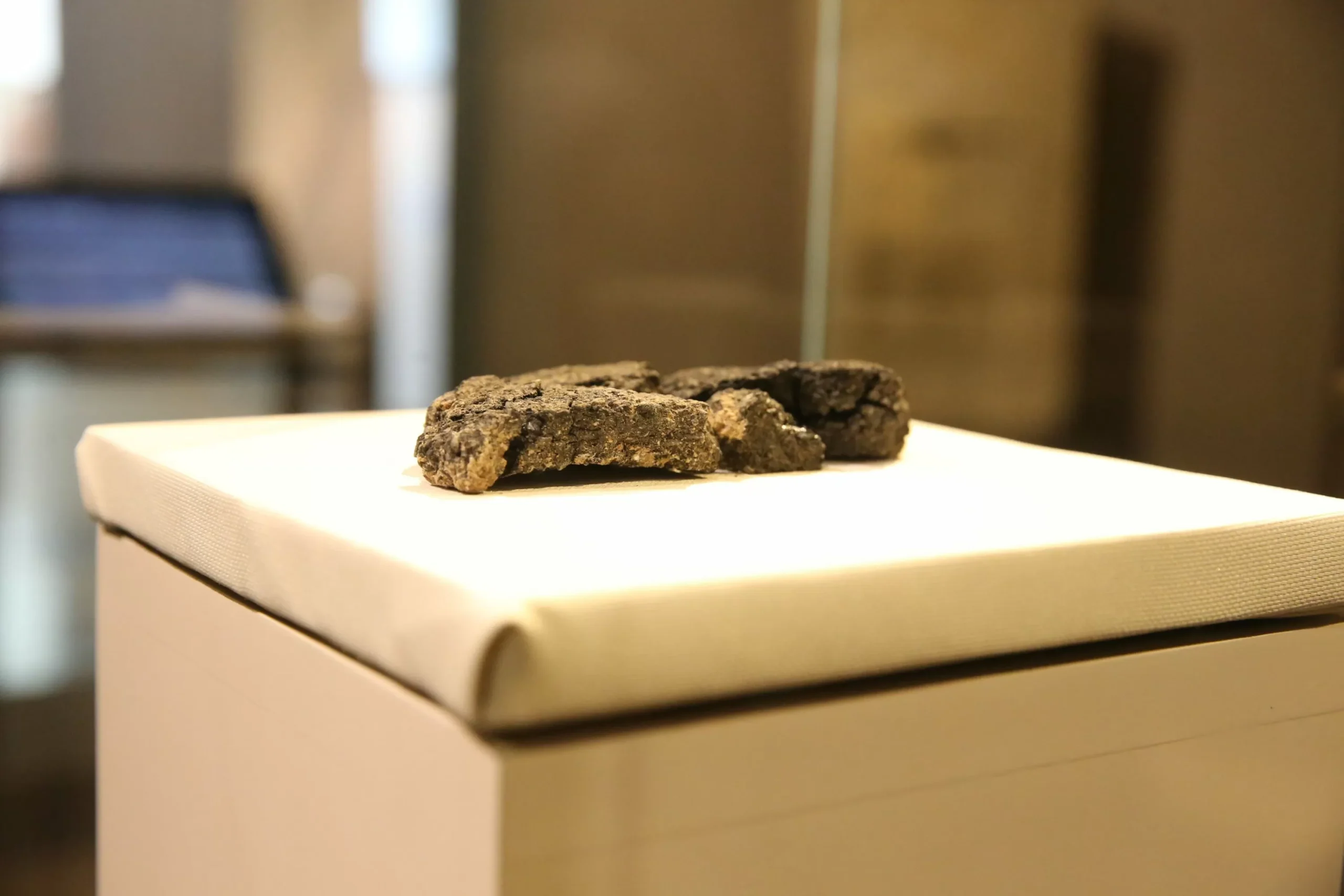
Archaeologists in Türkiye’s central Eskişehir province have made an incredible discovery that has the potential to change our understanding of human history. They have uncovered what is believed to be the world’s oldest known example of leavened and baked bread, dating back nearly 5,000 years.
The discovery was made at the site of a prehistoric settlement in the Karakaya Dam Reservoir, where a team of researchers from the University of Eskişehir Osmangazi University has been conducting excavations for the past four years. The team, led by Professor Necmi Karul, was stunned when they unearthed a large stone oven containing the remains of bread.
According to Professor Karul, the bread was found in a layer of soil that dates back to around 3000 BC, making it the oldest known leavened bread ever discovered. This is a significant find as it predates the previously known oldest example of leavened bread, which was found in Egypt and dates back to around 1500 BC.
The bread itself is in the form of a flatbread, similar to pita bread, and is made from a mixture of wheat and barley. It is believed that the bread was made using a sourdough starter, which is a mixture of flour and water that is fermented by wild yeasts and bacteria. This process would have given the bread its leavened texture and added flavor.
The discovery of this ancient bread has shed new light on the dietary habits of prehistoric humans. It was previously thought that bread-making techniques were only developed around 9,000 years ago in the Middle East. However, this find suggests that bread-making may have been a common practice much earlier than previously believed.
This discovery has also raised questions about the development of agriculture and settled societies in this region. The presence of a stone oven indicates that the people living in this area had already developed advanced techniques for cooking and baking, which would have required a stable food supply. This suggests that the people living in this area were not just hunter-gatherers, but had already begun to cultivate crops and establish permanent settlements.
The team of archaeologists is now working to analyze the bread and its ingredients in more detail. They hope to gain a better understanding of the techniques used to make this bread and how it may have influenced the development of bread-making in other parts of the world.
This discovery has not only captured the attention of the scientific community but has also sparked excitement and interest among the general public. The news of the world’s oldest bread has spread quickly, with people from all over the world expressing their fascination and amazement.
The mayor of Eskişehir, Yılmaz Büyükerşen, has also expressed his excitement about this discovery, stating that it is a great honor for the city to be home to such an important archaeological find. He also hopes that this discovery will attract more tourists to the region, as it is a testament to the rich history and cultural heritage of Türkiye.
The discovery of the world’s oldest bread in Eskişehir is a testament to the importance of archaeological research and the valuable insights it can provide into our past. It is also a reminder that there is still so much to be discovered and learned about our ancestors and their way of life.
This groundbreaking discovery has not only added to our knowledge of human history but has also sparked a sense of wonder and awe. It is a reminder that even the simplest of things, like bread, can hold a wealth of information and tell us a great deal about our past. As we continue to uncover more secrets of our past, let us also appreciate the significance of this discovery and the hard work and dedication of the archaeologists who made it possible.