

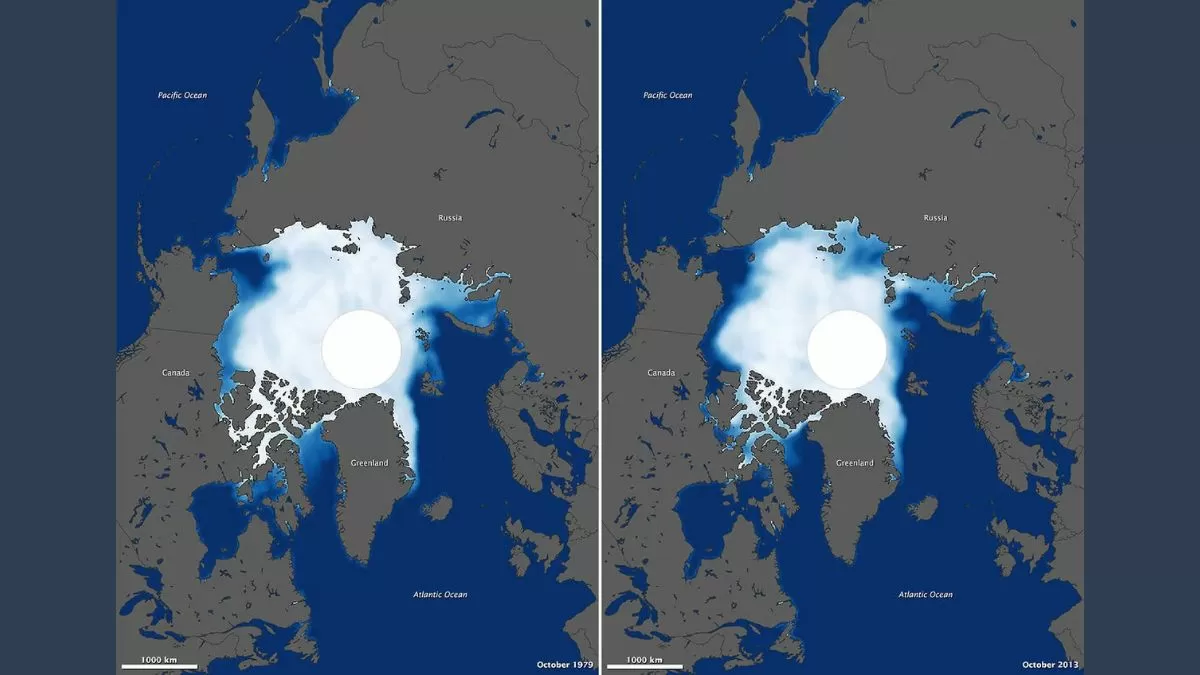
A recent study conducted by researchers at Tongji University, using NASA’s GRACE satellites, has revealed some interesting findings about the ice levels in Antarctica. The study, which covered the period from 2021 to 2023, showed that there has been a significant increase in ice gains in Antarctica, mainly due to unusual precipitation. However, the long-term satellite data from 2002 to 2020 paints a different picture, showing a significant and accelerating trend of ice loss.
The study, published in the journal Nature, has sparked a lot of interest and debate among the scientific community. While the short-term gains in ice levels may seem like a positive development, experts are quick to point out that it does not reverse the effects of climate change in the long run.
According to the lead researcher, Professor Liang Wang, the increase in ice gains can be attributed to a series of unusual weather events in Antarctica. These events, which include heavy snowfall and lower temperatures, have resulted in an increase in ice accumulation. However, this does not necessarily mean that the overall trend of ice loss in Antarctica has been reversed.
The GRACE satellites, which have been in operation since 2002, have been providing valuable data on the changes in ice levels in Antarctica. The data collected over the years clearly shows a significant and accelerating trend of ice loss. This is a cause for concern as Antarctica holds about 70% of the world’s freshwater reserves, and any significant loss of ice can have a major impact on global sea levels.
Experts believe that the short-term gains in ice levels are not enough to offset the long-term trend of ice loss. In fact, the study also revealed that the ice gains in Antarctica were mainly concentrated in the East Antarctic Ice Sheet, while the West Antarctic Ice Sheet continued to experience significant ice loss.
The West Antarctic Ice Sheet, which is considered to be the most vulnerable to climate change, has been losing ice at an alarming rate. This is due to a combination of factors, including warmer ocean temperatures and melting of the ice shelves that act as a barrier to the flow of ice into the ocean.
The study’s findings highlight the need for continued monitoring and research on the changes in ice levels in Antarctica. It also serves as a reminder that while short-term gains may provide some respite, the long-term effects of climate change cannot be ignored.
The increase in ice gains in Antarctica may seem like a positive development, but it should not be seen as a reason to become complacent. The effects of climate change are still very much evident in the long-term data, and urgent action is needed to address this global issue.
The study also serves as a wake-up call for governments and individuals to take action towards reducing their carbon footprint and mitigating the effects of climate change. It is a reminder that we all have a role to play in preserving our planet for future generations.
In conclusion, the recent study by researchers at Tongji University, using NASA’s GRACE satellites, has shed light on the changes in ice levels in Antarctica. While the short-term gains in ice levels may seem like a positive development, the long-term data shows a significant and accelerating trend of ice loss. This serves as a reminder that we must continue to take action towards addressing climate change and preserving our planet for future generations.