

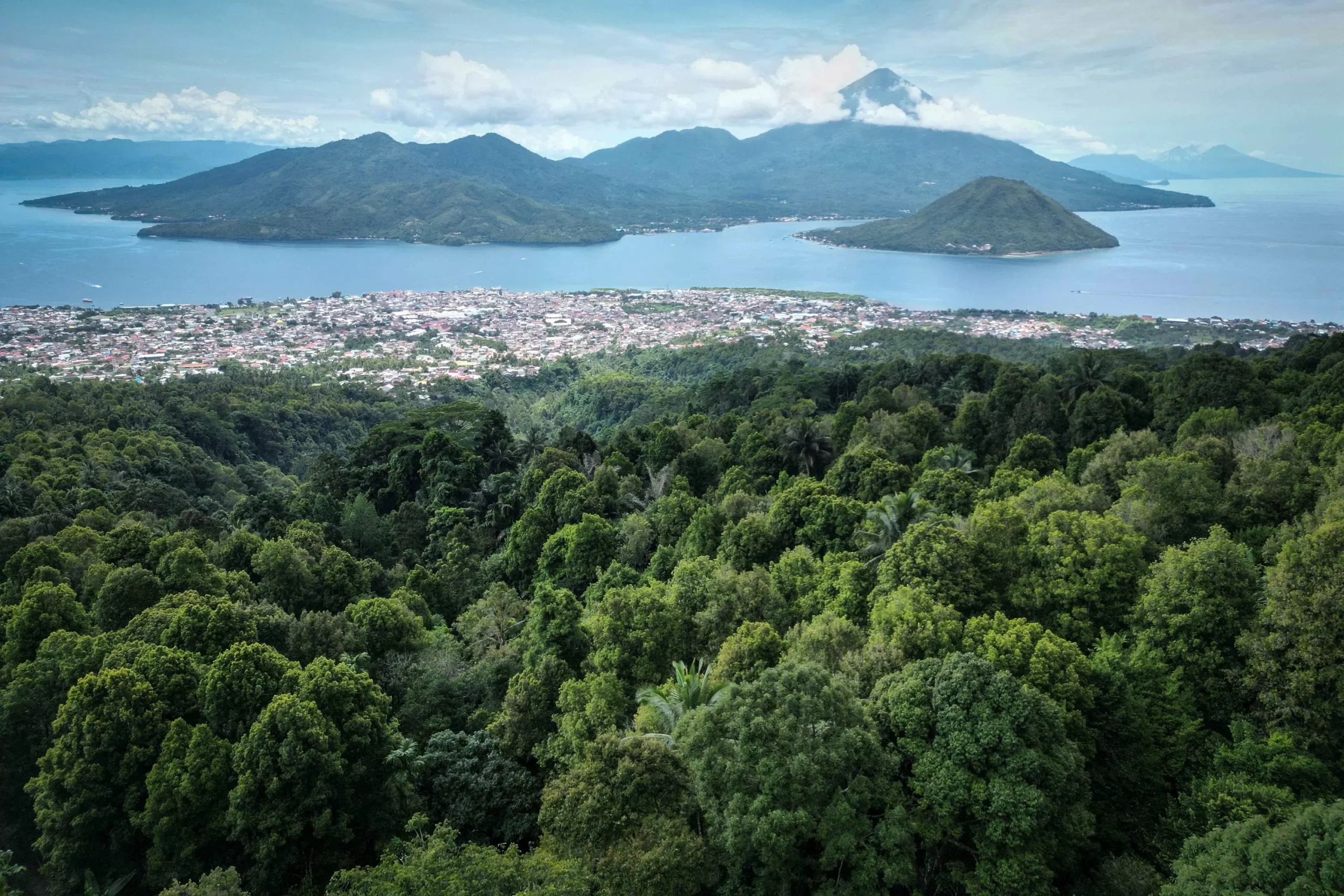
Colonial powers once sought to wipe out cloves grown by locals on the eastern Indonesian island of Ternate to safeguard their monopoly over the prized crop. Today, farmers say the situation has drastically changed and they are now reaping the benefits of growing cloves.
Located in the North Maluku province of Indonesia, Ternate has a long history of being a major producer of cloves. The island’s fertile soil and tropical climate make it an ideal location for growing this valuable spice. However, during the colonial era, the Dutch East India Company, also known as the VOC, controlled the trade and production of cloves in the region. They were determined to maintain their monopoly and went to great lengths to eliminate any competition.
The VOC’s tactics were brutal and ruthless. They prohibited the locals from growing cloves and even destroyed existing clove trees. This not only deprived the farmers of their livelihood but also had a devastating impact on the island’s economy. The Dutch were determined to keep the prices of cloves high and to ensure that only they could profit from it.
For many years, the people of Ternate suffered under the Dutch rule, unable to grow their own crops and forced to rely on the VOC for their livelihood. However, with the decline of the VOC in the 18th century, the situation began to change. The Dutch no longer had a stronghold over the clove trade and the locals were able to reclaim their land and start growing cloves once again.
Today, the farmers of Ternate are proud of their rich history and the role they played in the spice trade. They have revived the traditional methods of growing and harvesting cloves, which have been passed down for generations. These methods involve handpicking the cloves when they are at their peak and drying them in the sun to preserve their flavor and aroma.
The revival of the clove industry has brought about significant changes for the people of Ternate. The once struggling economy is now thriving, and the island has become a major producer and exporter of cloves. This has not only brought in much-needed income for the locals but has also created job opportunities and boosted the tourism industry.
Moreover, the locals are now able to take pride in their cultural heritage and traditional practices. The clove trees have become a symbol of their resilience and determination to preserve their way of life. The farmers have also formed cooperatives to support each other and ensure fair prices for their products.
The demand for cloves continues to grow, and Ternate is now recognized as one of the top producers of this valuable spice. The quality of their cloves is highly regarded, and they are exported to countries all over the world. This has not only brought in a steady income for the farmers but has also put Ternate on the map as a major player in the global spice trade.
The success of the clove industry in Ternate has also had a positive impact on the environment. The clove trees provide shade and help prevent soil erosion, while the farmers use organic methods of cultivation, reducing the use of harmful chemicals. This has led to a healthier ecosystem and has helped preserve the island’s biodiversity.
In conclusion, the farmers of Ternate have come a long way from the days of oppression and struggle. They have overcome the challenges posed by the colonial powers and have emerged victorious. Today, they stand tall as proud producers of one of the most sought-after spices in the world. The story of Ternate serves as a reminder of the resilience and determination of the human spirit and the power of communities to rise above adversity.