

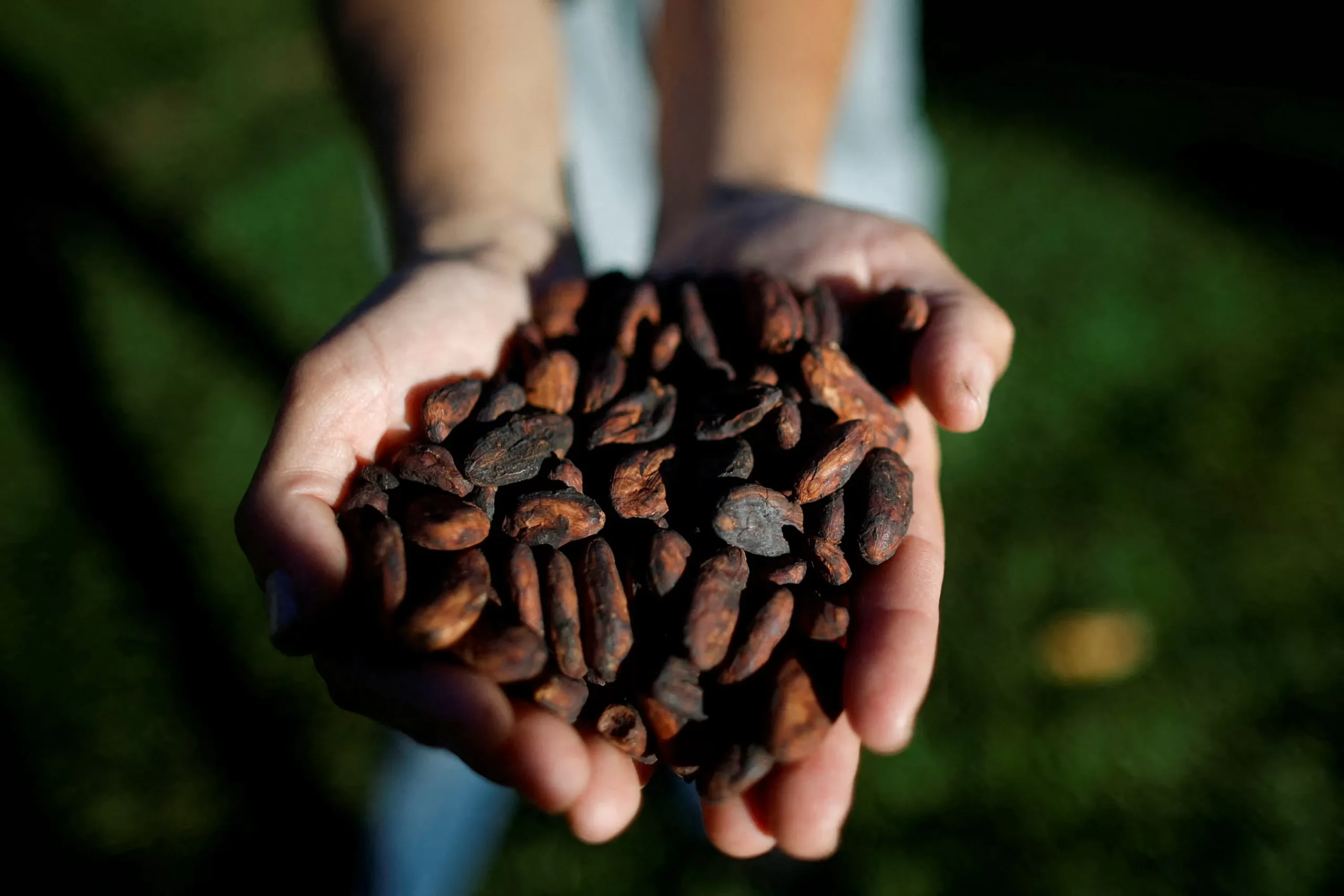
Cocoa Yields in Ivory Coast at Risk Without Financial Support and Fairer Markets
Ivory Coast, also known as Côte d’Ivoire, is the world’s largest producer of cocoa, accounting for approximately 40% of global cocoa production. However, the future of this vital industry is at risk as farmers in the country warn of potential destruction by 2030 if they do not receive the necessary financial support and fairer markets.
Cocoa is a crucial crop for Ivory Coast, contributing significantly to the country’s economy and providing livelihoods for millions of farmers. However, despite its importance, cocoa farmers in the country have been facing numerous challenges, including low prices, lack of access to credit, and climate change.
The current cocoa market is heavily dominated by large corporations and traders, who often dictate prices and exploit small-scale farmers. As a result, many cocoa farmers in Ivory Coast struggle to make a decent living from their hard work. The situation is further exacerbated by the low prices of cocoa, which have been on a downward trend for the past few years.
In a recent interview, cocoa farmer and president of the National Coordination of Cocoa Producers of Ivory Coast, Kouassi Kouame, expressed his concerns about the future of cocoa farming in the country. He stated, “If nothing is done to support us, cocoa yields will be destroyed by 2030. We are struggling to make ends meet, and our children are not interested in continuing this profession. We need help, or else the future of cocoa in Ivory Coast is bleak.”
The warning from Kouame is not an exaggeration. According to a report by the International Cocoa Organization, cocoa yields in Ivory Coast have been declining over the years, with an average of 500kg per hectare in 2019, compared to 800kg per hectare in the 1980s. This decline is attributed to aging cocoa trees, lack of access to modern farming techniques, and the impact of climate change.
Climate change has been a significant threat to cocoa production in Ivory Coast, with unpredictable weather patterns and an increase in pests and diseases. The country has experienced severe droughts and floods, which have destroyed cocoa crops and left farmers with little to no income. Without proper support and resources, it will be challenging for farmers to adapt to these changing conditions and continue producing high-quality cocoa.
To address these challenges and secure the future of cocoa farming in Ivory Coast, farmers are calling for financial support and fairer markets. They believe that with the right resources and a fairer trading system, they can improve their yields, increase their income, and provide a better future for their families.
The government of Ivory Coast has taken some steps to support cocoa farmers, such as providing subsidies for fertilizers and pesticides and investing in research and development. However, more needs to be done to ensure the sustainability of the cocoa industry in the country.
One solution could be the implementation of fair trade practices, where farmers are guaranteed a minimum price for their cocoa and have access to better market opportunities. This would not only improve the livelihoods of farmers but also promote sustainable and ethical cocoa production.
Furthermore, financial institutions and international organizations can play a crucial role in supporting cocoa farmers in Ivory Coast. By providing access to credit and investing in infrastructure and training, farmers can improve their farming practices and increase their yields.
In conclusion, the future of cocoa farming in Ivory Coast is at risk, and urgent action is needed to prevent its destruction. The government, along with other stakeholders, must work together to provide financial support and create fairer markets for cocoa farmers. It is time to recognize the vital role of cocoa farmers and ensure that they receive the support they need to continue producing the world’s favorite treat. Let us not wait until it’s too late, and instead, take action now to secure the future of cocoa in Ivory Coast.