

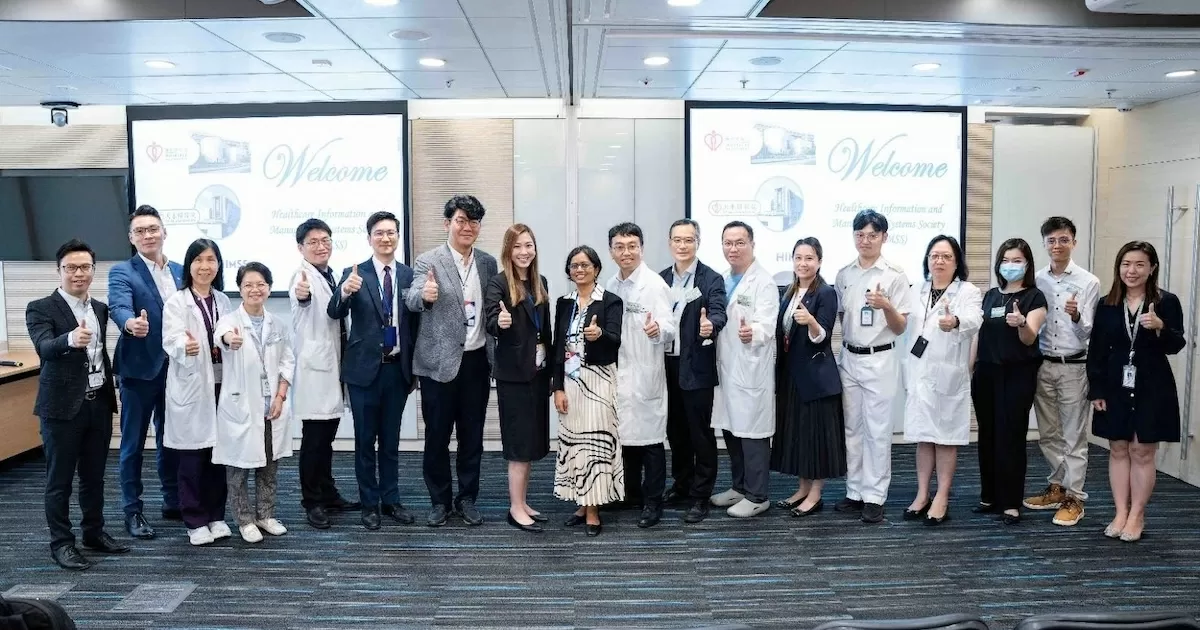
The Hospital Authority in Hong Kong has always been at the forefront of adopting innovative technologies to improve the quality of healthcare services for its patients. In line with this vision, the Hospital Authority has recently announced the launch of its smart hospital transformation programme, which includes the implementation of advanced validations across all its hospitals. This move is a significant step towards creating a more efficient and patient-centric healthcare system.
The validations are an essential component of the Hospital Authority’s ongoing smart hospital transformation programme. They are designed to ensure that all medical procedures and processes are carried out accurately and efficiently, leaving no room for error. The use of advanced technology will not only streamline the operations of the hospital but also enhance the overall patient experience.
One of the key highlights of this programme is the implementation of electronic medical records (EMR) system. This system will digitize patient information, making it easily accessible to healthcare professionals. With the click of a button, doctors and nurses will have access to a patient’s complete medical history, including past treatments, medication, and test results. This will not only save time but also eliminate the risk of manual errors in recording and retrieving patient information.
In addition to the EMR system, the Hospital Authority is also introducing automated medication dispensing machines. These machines will ensure that patients receive the correct medication and dosage at the right time. The machines are linked to the patient’s EMR, which will alert the healthcare professionals of any potential drug interactions or allergies. This will significantly reduce the risk of medication errors and improve patient safety.
The Hospital Authority is also implementing a smart queue system, which will enable patients to book appointments and check-in for their appointments using their smartphones. This will eliminate the need for patients to physically queue up, saving them valuable time and reducing the risk of exposure to contagious diseases. The system will also provide real-time updates on waiting times, ensuring a more efficient and seamless patient flow.
Furthermore, the smart hospital transformation programme also includes the introduction of telemedicine services. This will allow patients to consult with doctors remotely, eliminating the need for them to travel to the hospital physically. This will be particularly beneficial for patients who have difficulty traveling, such as the elderly or those with chronic illnesses. The telemedicine services will also help reduce the strain on the healthcare system, especially during peak periods.
The implementation of these advanced validations is a testament to the Hospital Authority’s commitment to providing high-quality and patient-centric healthcare services. It is a step towards creating a more efficient and sustainable healthcare system that can cater to the growing healthcare needs of the population.
Apart from improving the quality of healthcare services, the smart hospital transformation programme will also have a positive impact on the environment. The reduction of paper-based processes and the use of digital systems will significantly reduce the amount of paper waste generated by the hospitals. This will contribute to creating a greener and more sustainable environment for future generations.
The Hospital Authority’s smart hospital transformation programme has already been rolled out in a few hospitals, and the results have been promising. Patients have reported a more streamlined and efficient experience, while healthcare professionals have noted a significant reduction in their workload, allowing them to focus more on patient care. The positive feedback from both patients and healthcare staff is a testament to the success of this programme.
In conclusion, the implementation of advanced validations as part of the Hospital Authority’s smart hospital transformation programme is a significant step towards creating a more efficient and patient-centric healthcare system. The use of technology will not only improve the quality of healthcare services but also contribute to a greener and more sustainable environment. The Hospital Authority has once again demonstrated its commitment to delivering the best possible healthcare services to the people of Hong Kong.